A robust hard case is only half the equation. The other half, which truly determines whether your equipment arrives intact, is the interior. And the interior is made of technical foam.
Choosing this foam rarely receives the attention it deserves. In practice, it is an engineering decision that directly affects equipment safety, case functionality and, in many contexts, compliance with technical or regulatory requirements. Making the wrong choice has consequences. Choosing well, on the other hand, turns a hard case into a reliable protection system, regardless of the industry, frequency of use or transportation conditions.
What Sets Hard Case Foam Apart from Other Types of Foam
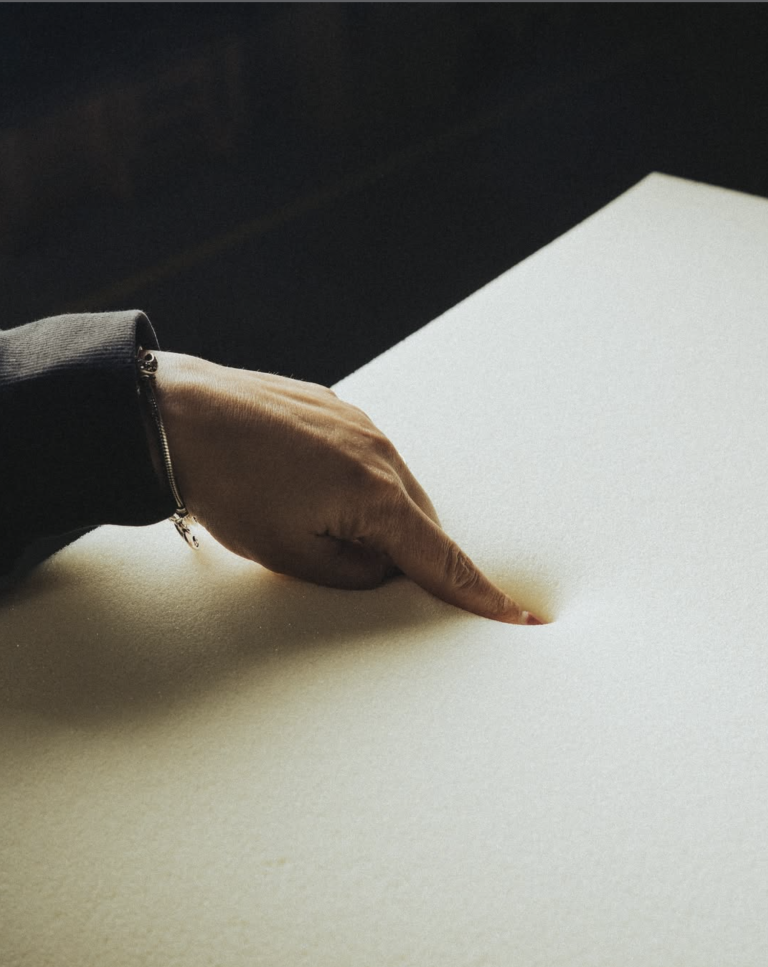
The first distinction is structural. Technical foam used in hard case interiors is, in most applications, closed-cell foam, meaning it does not absorb water, moisture or air. During air travel, in humid industrial environments or when transporting equipment over rough terrain, this property is crucial: the equipment inside remains protected from external elements regardless of the conditions outside.
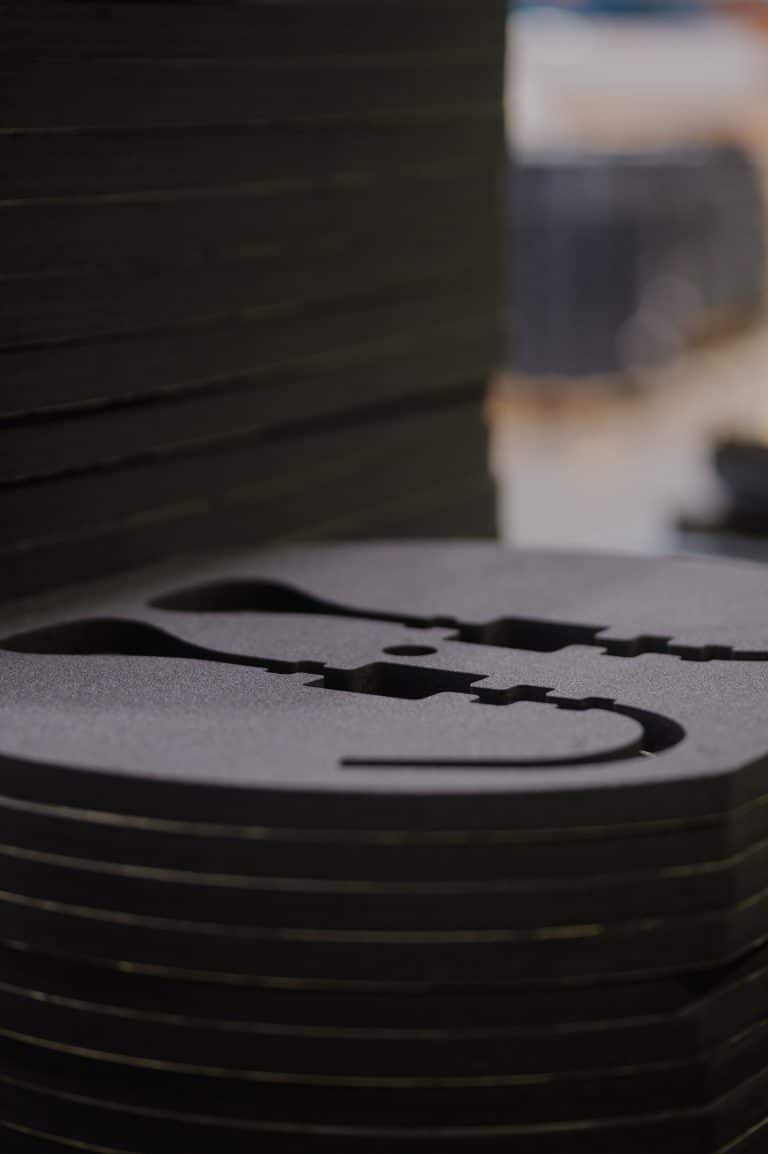
The second distinction is dimensional. Generic foam can fill a space. Properly engineered technical foam fits the equipment precisely, and there is a huge difference between the two. A precise fit prevents equipment from moving during transport, distributes impact forces correctly and ensures that the item can be removed and replaced repeatedly without compromising protection.
The third distinction is durability. Low-quality foams compress over time, losing their cushioning properties. Properly selected technical foam retains its structure and function throughout the hard case’s service life. For equipment subjected to intensive professional use, this makes a significant difference.
The Most Common Materials Used in Hard Case Interiors
There is no single material that is right for every project. The choice depends on the application, the equipment to be protected and the conditions of use. The three most common materials are:
Cross-Linked Polyurethane (Azote Foam)
Closed-cell foam with a uniform cross-linked structure, composed of independent microcells. It is lightweight, waterproof and highly resistant to heavy impacts. It is the material of choice for military, aerospace and high-precision instrumentation hard cases because it combines maximum protection with low weight and dimensional stability.
Closed-Cell Expanded Polyethylene (Microlen)
A lightweight, waterproof and highly durable material available in a wide range of colors. It is ideal when the hard case interior also serves an aesthetic purpose or reinforces brand identity, in addition to providing technical protection. It is particularly well suited to laser engraving, allowing logos or identification codes to be incorporated directly into the material.
PEAB28-Density Polyethylene Foam
Lightweight technical foam offering an excellent balance of mechanical strength, water resistance and impact absorption. It is versatile and suitable for a wide variety of industrial projects.
Read also: How SG Foam Transforms Technical Foam into Solutions
Cutting Processes: Where Precision Is Determined
Choosing the right material is the starting point. The next step, which is equally critical, is the conversion process. A high-quality hard case interior is not made from torn foam or material cut using imprecise methods. It is precision-machined.
The main processes used to convert technical foam for hard cases are:
Waterjet cutting produces complex geometries with high precision, without heating the material and with clean edges. It is particularly suitable for denser materials and shapes that require tight tolerances.
CNC milling offers millimeter-level precision and makes it possible to create recesses with varying depths and profiles in a single block of foam. This is ideal for hard cases with multiple compartments or equipment with irregular shapes.
Oscillating knife cutting is efficient for higher production volumes and lower-density materials, while maintaining precision and a high-quality finish.
The choice of process depends on the material, the geometry of the insert and the production volume. An experienced technical partner knows which processes to combine and why.
Systems That Eliminate Errors: Poka-Yoke and Kaizen
In environments where kits must always be complete and correctly assembled, such as the military, medical, industrial and instrumentation sectors, the design of a hard case interior can incorporate error-prevention systems.
The Poka-Yoke system is one of the most effective approaches: the cutouts are designed so that each component can only be placed in one correct position. This eliminates the possibility of assembling the kit incorrectly, ensures that all components are present before the case is closed and simplifies visual inspection, especially when combined with a base layer of contrasting-color foam.
Applying the Kaizen methodology to interior design means continuously refining the process, eliminating waste, optimizing cutouts and ensuring that each product iteration is better than the previous one.
When the Interior Also Reflects Brand Identity
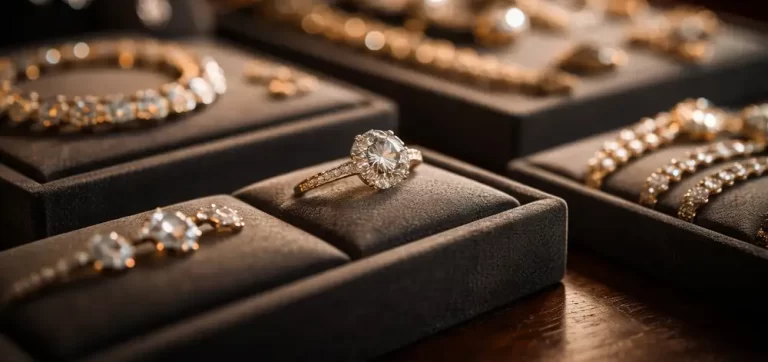
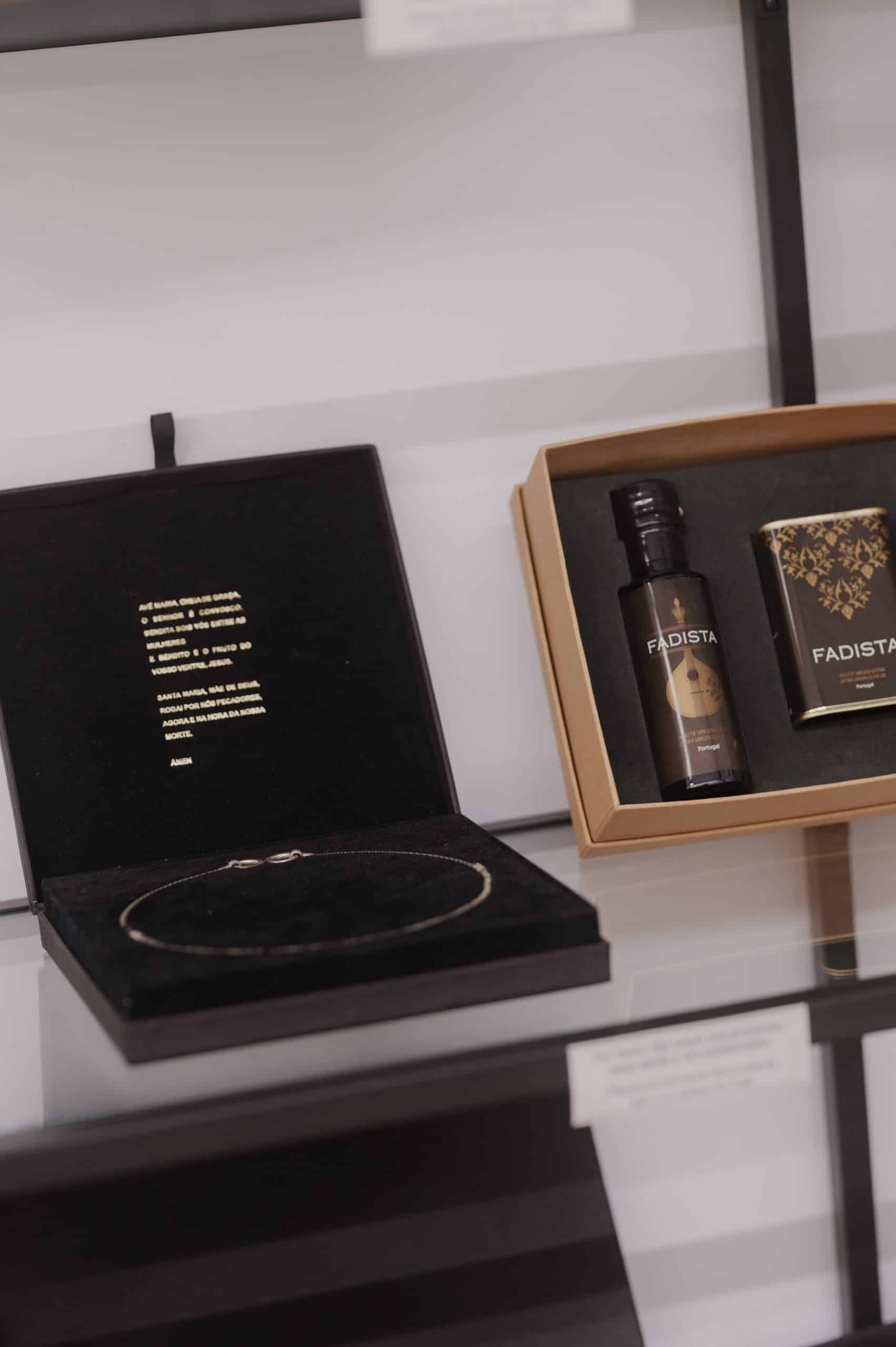
Hard cases have a purpose beyond technical protection: presentation. In industries such as jewelry, cutlery, premium cosmetics and luxury packaging, the case interior is part of the customer experience and must reflect the brand identity with the same precision with which it protects the product.
In this context, laser engraving the logo directly onto the foam, the availability of multiple colors and the option of specific finishes become selection criteria just as relevant as material density or water resistance.
How SG Foam Solutions Develops Hard Case Interiors
At SG Foam Solutions, technical interiors for hard cases are developed in collaboration with the customer, using the actual equipment, protection requirements and intended conditions of use as the starting point.
With more than 35 years of experience in technical foam conversion, a technology infrastructure that includes waterjet cutting, CNC milling, laser engraving and die cutting, and ISO 9001:2015 and ISO 14001:2015 certifications audited by TÜV Rheinland, we develop solutions for the most demanding sectors, from defense to healthcare, from scientific instrumentation to premium packaging.
If you have a hard case project that requires a technically precise interior, contact our team so we can assess the best solution together.