Choosing a packaging solution is not simply about finding a container that fits the product. When technical equipment, industrial components, fragile products or high-value items are involved, the inside of the packaging plays a crucial role: absorbing impacts, limiting movement and helping ensure that the product arrives at its destination in the expected condition.
This is where technical foam plays an important role. However, different products have different protection requirements, so the choice should not be based solely on the material’s thickness or price.
Product weight, fragility, transportation conditions, frequency of use and geometry are some of the factors that should be considered before defining a solution.
What Should You Consider When Choosing Foam for Packaging?
1. Product Weight
Weight is one of the first factors to assess.
A heavy component places different demands on a protective material than a lightweight product. If the foam is not suitable for the load, it may deform excessively and lose its protective capabilities.
On the other hand, using an oversized solution can also result in unnecessary material consumption.
The goal is therefore to strike a balance between support, impact absorption and the amount of material used.
2. Product Fragility and Value
Not all products can withstand the same levels of impact or vibration.
A scientific instrument, a medical device, a premium bottle or a precision industrial component will each have different requirements. The more sensitive the product, the more carefully the packaging solution must be designed.
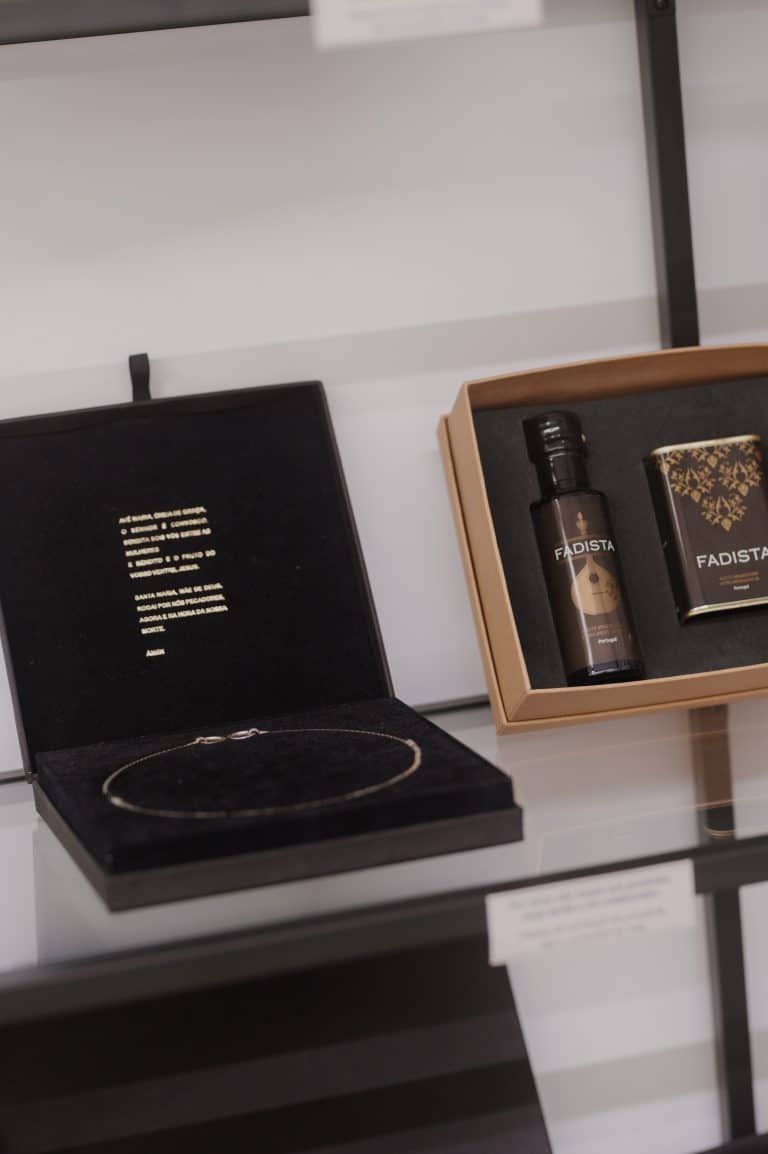
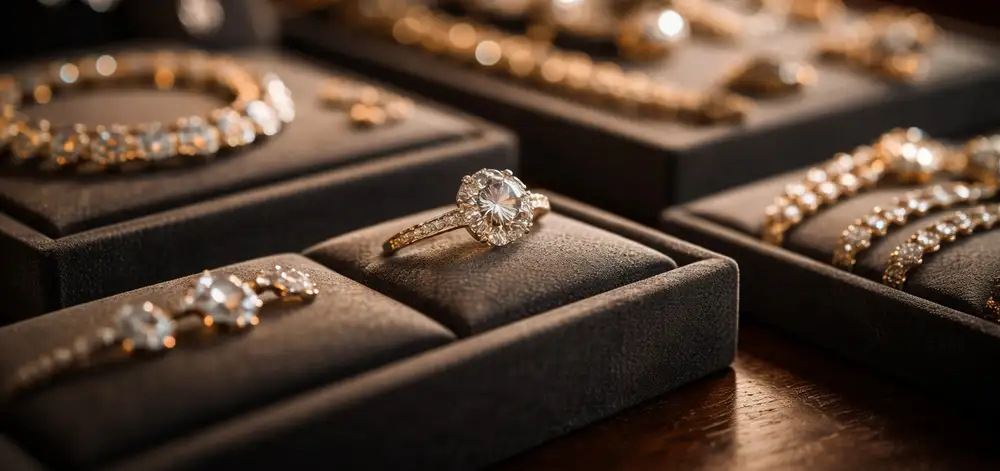
SG-Foam, for example, develops technical solutions for scientific and medical equipment, automotive components, tools, wine products, cutlery, jewelry and cosmetics, adapting the foam’s properties to the function it needs to perform.
In these cases, protection means more than simply filling empty spaces. It means controlling the product’s movement inside the packaging and creating protective zones for its most vulnerable areas.
3. Transportation Conditions
It is also important to understand the journey the product will make.
Will it be transported only between facilities? Will it travel by road for several hours? Will it be shipped internationally? Could it be exposed to vibration, moisture or frequent handling?
The more demanding the logistics route, the more important it becomes to consider factors such as:
- Shock and vibration absorption;
- Mechanical strength;
- Water resistance;
- Dimensional stability;
- Fit between the product and the packaging.
For example, polyethylene foam is used in packaging applications because it combines low weight, strength, shock absorption and vibration damping. Cross-linked polyethylene foam offers additional thermal and mechanical resistance and does not absorb water.
Material selection should therefore be based on the actual conditions the product will encounter.
4. Single Use or Frequent Reuse?
Another important consideration is how the packaging will be used after the initial delivery.
Packaging designed for a single shipment has different requirements from a hard case used daily by a technical team to transport tools, instruments or equipment.
For reusable solutions, factors such as wear resistance, ease of inserting and removing items, and internal organization become more important.
For example, individual cutouts can be designed for each component, and contrasting colors can be used to make missing parts easier to identify visually. SG-Foam also applies Poka-Yoke principles to solutions designed for tool organization and protection.
In this way, packaging goes beyond its logistical role and can become an integral part of a company’s operational processes.
5. Product Geometry and Dimensions
Products with irregular shapes, protruding components or varying depths are difficult to protect effectively with standard solutions.
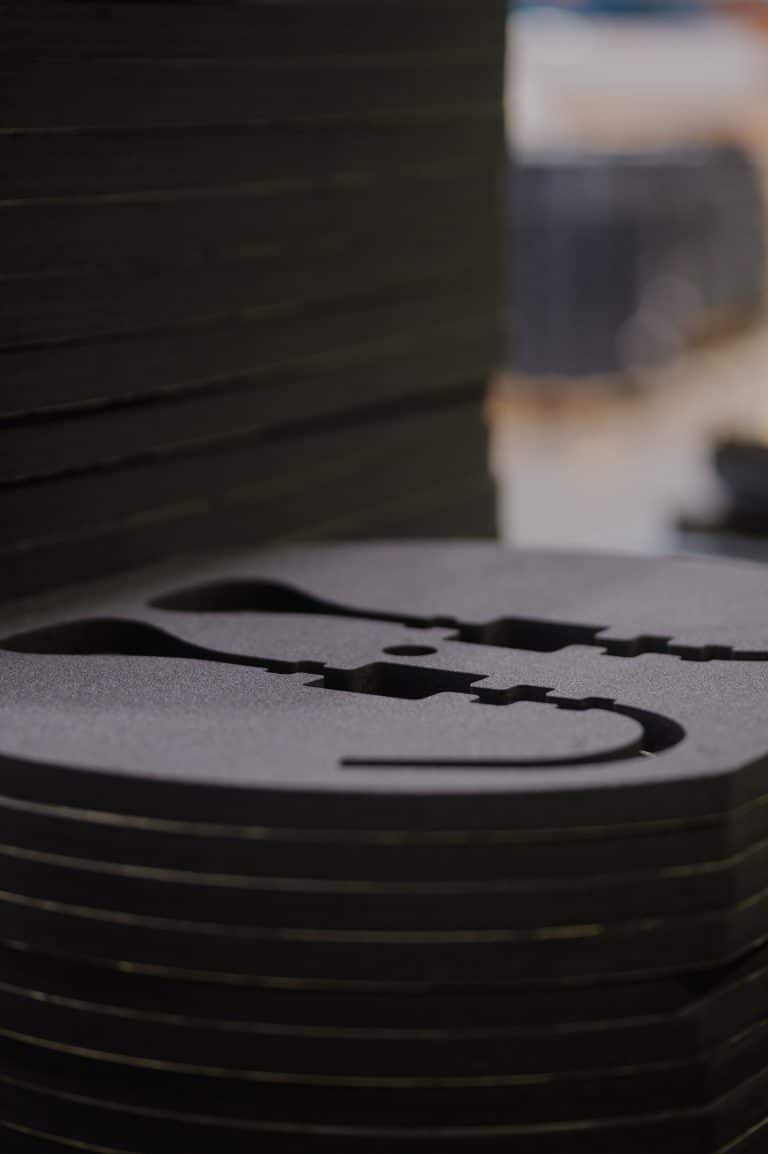
In these cases, the packaging interior must be designed around the actual geometry of the object.
Technologies such as CNC cutting, waterjet cutting, die cutting and lamination make it possible to process technical materials into different shapes with varying levels of precision. SG-Foam Solutions has these technologies available in-house and selects the appropriate process according to each project’s requirements.
This capability makes it possible to develop cavities, cutouts and interior configurations tailored to the product, rather than forcing the product to fit generic packaging.
Which Foam Should You Choose for Packaging?
There is no single answer that applies to every project.
Polyethylene foam, for example, stands out for its combination of low weight, strength and shock absorption, making it widely used in the packaging industry. Cross-linked polyethylene offers thermal and mechanical resistance and does not absorb water, making it suitable for projects with additional requirements. Polyurethane, in turn, is a flexible and easily processed material with applications across different industrial sectors.
Rather than starting with the question, “What is the best foam?”, it is more useful to ask:
“What requirements must this packaging meet?”
The answer to this question makes it possible to select the right material, density, thickness, geometry and conversion process.
Why Develop a Custom Packaging Solution?
A customized solution allows protection to be designed around the product, rather than the other way around.
For a company, this can offer several important benefits:
- Greater control over product protection;
- Better use of internal space;
- Reduced movement during transport;
- More efficient organization of equipment and components;
- The possibility of reusing the packaging;
- Greater consistency across production units;
- Integration of brand identity through colors, finishes or engraving.
For premium products, the foam itself can also enhance presentation. Depending on the application, SG-Foam uses solutions such as flocked finishes, color combinations and laser engraving of logos or identification markings.
This means protection, functionality and presentation can all be considered within the same development process.
From the Initial Requirement to the Final Solution
In a technical packaging project, foam selection should be part of a broader process.
At SG Foam, every solution is designed from the ground up. The process involves selecting the materials, defining the appropriate conversion technology and validating the result. When standard solutions do not meet the requirements, the in-house Research, Development and Innovation team evaluates and tests alternatives before production.
This approach makes it possible to turn a protection requirement into a solution specifically designed for the product and the environment in which it will be used.
Choosing the Right Foam Starts with Understanding the Product
Choosing foam for packaging should not be an isolated decision based solely on cost or material availability.
Weight, fragility, geometry, transportation and end use must all be assessed together.
We process different types of foam and technical materials to develop packaging solutions tailored to each project’s needs, from the initial specification to the final cut.
Get in touch with us about your packaging project.